


About the programme
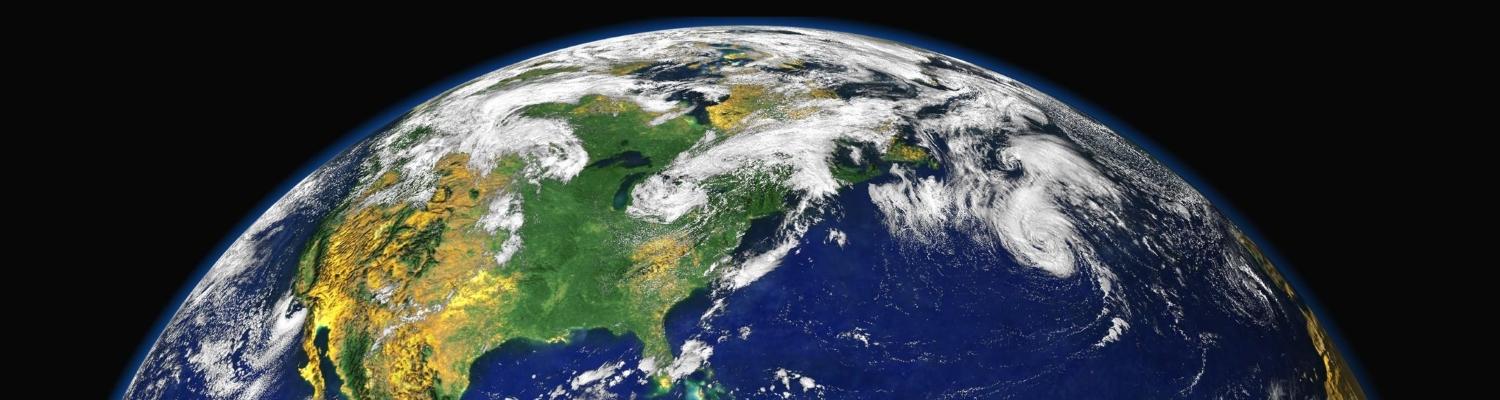
The ICP Vegetation is an international research programme investigating the impacts of air pollutants on crops and (semi-)natural vegetation. It reports to the Working Group on Effects (WGE) of the UNECE Convention on Long-Range Transboundary Air Pollution (LRTAP). The programme focuses on the impacts of ozone pollution on vegetation and the atmospheric deposition of heavy metals, nitrogen and persistent organic pollutants (POPs) to vegetation.
In addition, the ICP Vegetation studies impacts of nitrogen pollution on vegetation, takes into consideration impacts of pollutant mixtures (e.g. ozone and nitrogen), consequences for biodiversity and the modifying influence of climate change on the impacts of air pollutants on vegetation. The results of studies conducted by the ICP Vegetation are used in assessments of the current, and predictions of the future, state of the environment. Ca. 50 countries and over 250 scientists participate in the programme.
The programme is led by the UK, has its Programme Coordination Centre at the Centre for Ecology and Hydrology - Bangor. Coordination of the programme is mainly funded by the UK Department for Environment Food and Rural Affairs (Defra).
Blog
Now you can post your own blog on the ICP Vegetation website
- Create an account on the ICP Vegetation website here.
- Wait for the confirmation email (this might take some time). Sign in.
- Click here to create your blog.
- You are ready to go! Fill in the title and body fields and wait for the administrator of the page to publish your content.